
About the Center for IRH
The Relationship is the Medicine.
Human beings flourish in relationship. The conditions for our well-being lie in the quality of the connection felt between us, in the health of the communities we belong to, and in the integrity of the systems shaping the conditions of our daily lives.
This conviction is not new. Every tradition of healing, in every culture, across every era of human history, has understood it. Yet our dominant frameworks for well-being have moved far away from it. We have built systems organized around an individual person: individual assessment, individual treatment, and individual outcomes. But those systems keep falling short of what people actually need to feel well and be well.
The Center for Integrative Relational Health is building a body of knowledge, a community of practice, and a growing set of frameworks and programs for the thinkers, caregivers, stewards, and makers who are ready to work from a different ground.
Our Vision

We envision a world where healing is understood as foundationally relational: emerging through encounter, not within isolated individuals. Where the systems we build for human care are accountable to the communities they serve, not just to the metrics they measure. Where practitioners across every helping discipline understand themselves not as experts delivering understanding to others, but as whole human beings whose presence, quality of attention, and willingness to be changed by what they experience are the most important things they bring into any encounter.
Where we meet across difference without demanding sameness. And where that genuine, honest, and sustained meeting makes transformation possible.
What We Believe
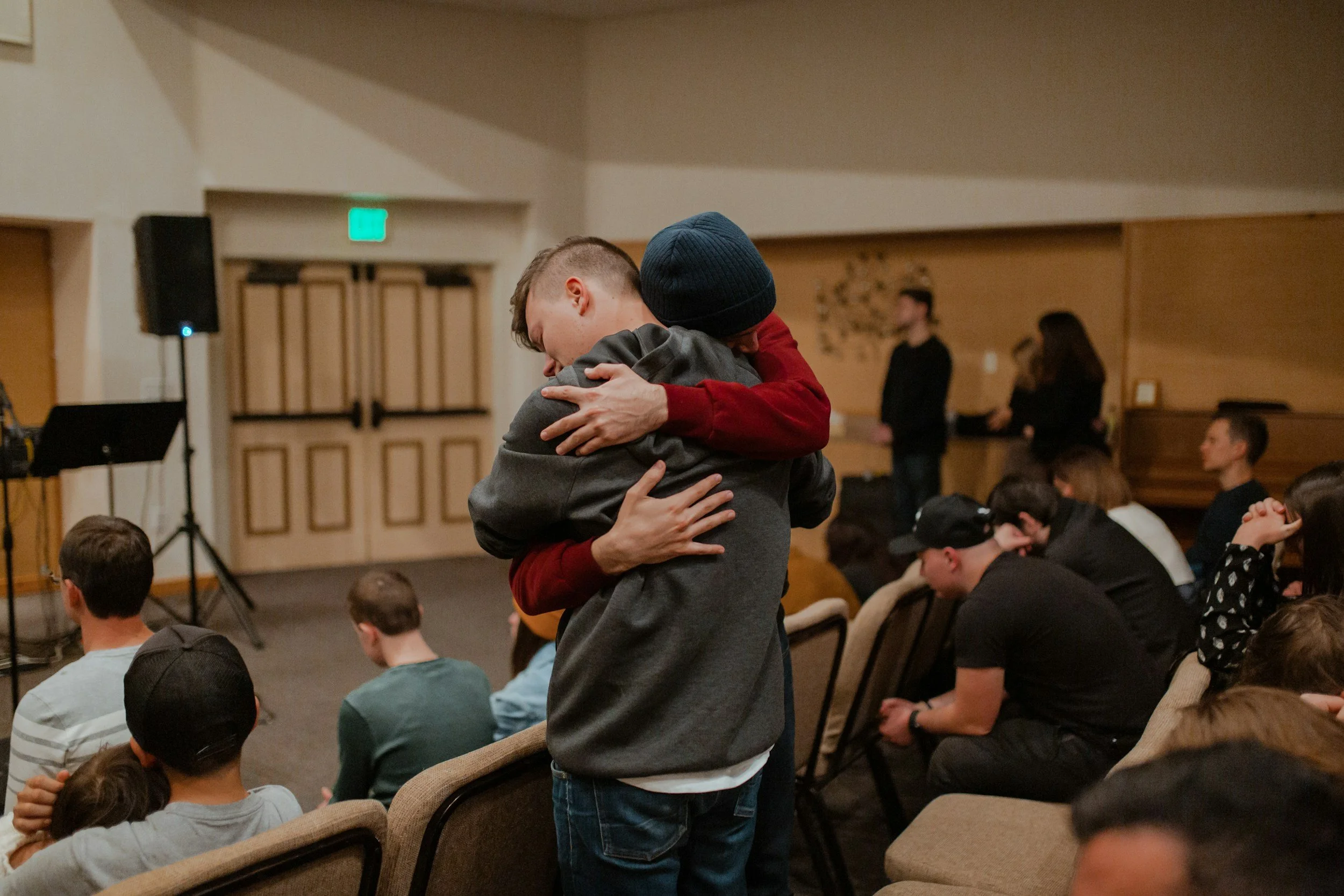
Human beings are navigating conditions that can be transformed.
When someone is struggling, they are rarely failing individually. They are living within relational and structural conditions shaped by history, culture, and the accumulated weight of systems that may not have been tended. The work of genuine care is not to fix the individual. It is to tend the field.
We believe that a relationship is not the vehicle for the medicine. It is the medicine. That genuine encounter between practitioners and the people they serve, and between institutions and the communities they shape, is not a soft skill or a supplement to the real work. It is the real work.
And we believe that the knowledge needed for this turn already exists in the bodies and histories of the communities most affected, in the accumulated wisdom of practitioners who have been doing this work, and in the encounter between traditions that can be in genuine conversation with each other. Our role is to create the conditions in which knowledge can emerge.
Who We Are

Paul Lichtenberg, PhD, is the founder of the Center for Integrative Relational Health and the architect of the Integrative Relational Health framework.
Paul has spent four decades as a practicing clinical psychologist, clinical supervisor, and teacher working at the intersection of psychotherapy, relational theory, and the ethics of care. His work asks a single foundational question in many different registers: what does it mean to be genuinely present with another person? That question has guided his clinical practice, his supervision of emerging therapists, and the development of the IRH framework: a coherent body of knowledge for integrative relational practice at every scale.
His first audiobook, Ways of Knowing: An Integrative Relational Approach to Understanding, is now available on all major streaming platforms. It is an invitation for helping professionals to examine not just their methods but also their assumptions about expertise, language, and whose knowledge counts and why.
The Center for Integrative Relational Health is the institutional home Paul built for this work: a place where the framework can be developed, shared, and practiced in community, across disciplines and sectors, by practitioners, designers, scholars, and advocates ready to engage with it deeply.